

Flow
Workflows that run themselves
We automate one workflow that eats time in your business every day, and we measure before and after. A human always makes the final call.
Flow
What Flow takes over
Flow is nothing abstract. We look for the one step you repeat several times a day and take it off your hands. Usually it sits between inbox, calendar, folders and bookkeeping: work nobody misses.
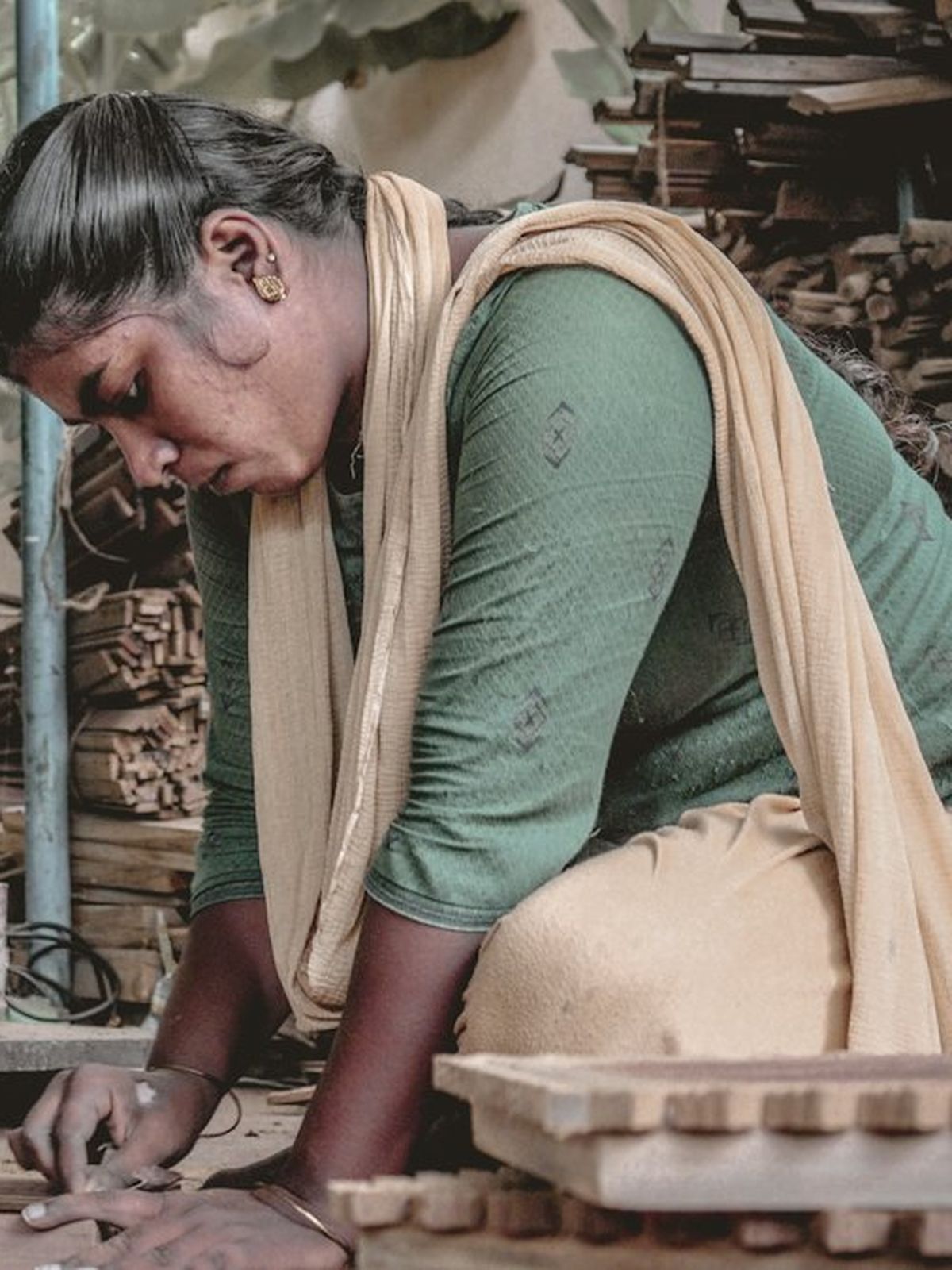
A human always makes the final call: nothing goes out before you release it.
What it looks like
One workflow, drawn out
Before we build anything we map your workflow: where the work comes from, which rule applies, where a human decides and what gets measured at the end.
Illustrative figures. The real numbers come from your workflow — measured before we build and again after handover.
From first call to a running workflow
Record and measure
We walk through the workflow with you once and record how many steps and how much time it costs today.
Build and run in parallel
The automation first runs beside your familiar way of working. Mistakes show up before they do damage.
Hand over and measure again
You get access, a short briefing and the before/after comparison. After that the workflow belongs to you, not to us.
What does an automation cost?
We name the price before we touch anything: a fixed price for the build, plus the running cost of the services the workflow needs. How high it is depends on how many places the workflow touches — that is what the first call clarifies. If it will not pay for itself in reasonable time, we say so.
Which workflow eats your time?
Name one — that is enough to start. The first call takes half an hour and costs nothing.